
Category: Business

A few years ago, business owners were rushing to get fully-featured websites and thriving social media profiles. Now those things are so commonplace it is not considered “a good thing” to have a website so much as it is considered incredibly unusual to not have one. Today, the rush is to conquer the mobile space.

Why are mobiles so important? Well, the smartphone is near-ubiquitous today, and people use their phones constantly throughout the day. Even having an icon on the home screen can help to reinforce your brand’s presence in the mind of the user and having the ability to push offers to your users will help to build goodwill, and encourage past customers to revisit your brand from time to time. Using the app as a part of a loyalty scheme will improve your analytics too.

What Goes Into a Mobile App?

Almost any business could benefit from a mobile app, but there are a few key considerations that you should remember when getting the app developed. It’s easy to fall for ‘feature creep’ when laying out what you want from your app. So, look at the features and functionality and be ruthless when deciding what is a ‘must’ and what is simply a ‘nice to have’.

Be realistic about who will use the app and how, too. Adding ‘share to Facebook’ functionality is easy enough and reasonable, rebuilding your own social network in your app is much harder, and will likely be a waste of time because it will not be used by a lot of people.

Getting a Great Mobile App

If you are already working with a local company that undertakes web design in Nottingham, it is well worth asking them if they offer mobile app development.

Mobile apps are a great investment if you rely on repeat business. If you can persuade a customer to install your app, then you will have an easy way to reach them via their phone’s notification screen, putting marketing messages in front of them whenever you wish, and also giving them value-added benefits that will build goodwill.

Read Full Article
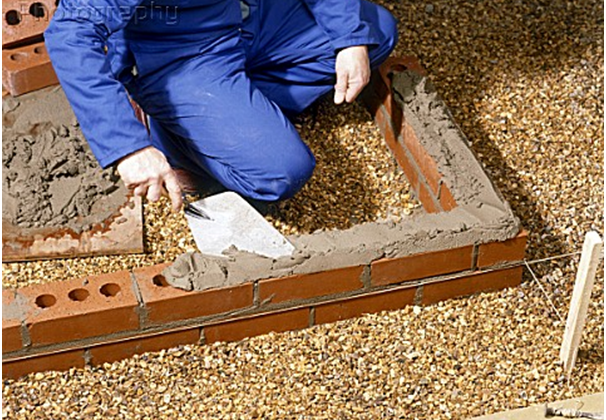
The latest construction headlines hitting the UK say it all: there is a brick shortage coming. For those with brick projects under construction and brick products not yet secured, this means a steep rise in costs. For many companies and individuals in London the gap between supply and demand simply means the viability of their projects, and even home improvements, are severely at risk.

What is the solution?

Many people are throwing around the idea of importing. This is a possibility, but it doesn’t solve the cost issue. Alternatively, by importing the skills needed via an immigrant workforce, the bricks could be made in the UK. This is more practical, but the question that needs to be asked is why not consider a different material?

For many people, there is no alternative. Bricks are the fabric of Britain and the capital. Anyone riding on a bus through London can see this. Bricks are our heritage and history, they are practical, hard-wearing, beautiful and durable. Buildings constructed out of brick last for centuries.

New cutting-edge research

All this could be about to change. With sustainable design and construction playing a huge part in many projects, from city hospitals to manufacturing facilities to private residences, sooner or later a solution will arise. British universities and architects in London are already pushing forward in the research, development, and use of alternative materials. Fantastic products such as self-healing concrete, 3D printed ceramic brick units, vacuum glazing, smog-absorbing concrete, algae walls, and engineered timber frames are taking off. It is a process that once started will not stop, but when will it start?

Every year we are becoming bolder and braver with our product choice, which is showing in the quality and look of our homes and offices. The brick will always be a fantastically strong and stable product; however, as with a stone, there may come a time when it is no longer commercially or environmentally viable. Let’s prepare for the future and not get too hung up on the past.

Read Full Article