Category: General

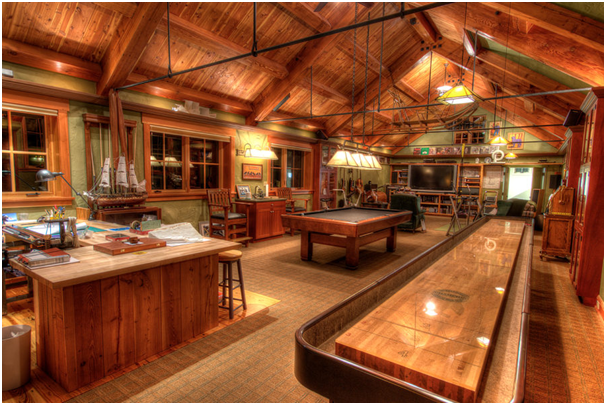
Having a man cave of your own is the ultimate dream (and you don’t have to be a man to have one!). It is simply a place that you can retreat to, close the door on the outside world and spend some time doing whatever you want! If this idea appeals to you, then get started and make one! You don’t even have to sacrifice a room of your house – the perfect spot is a garage. If you are using yours to hoard junk, then the first thing to do is to get in there and have a sort-out. You could even sell all of the things that you don’t want and no longer use, to fund your new man cave.

Think about what the use of the man cave will be – do you want to pursue a hobby that is noisy or requires a lot of room that you don’t have in the house? Maybe you fancy learning the drums, or doing some DIY and want a place to be able to use all your tools? If you are wanting to store your tools neatly and get a bit of organization in there, you could use the services of https://www.rackzone.ie/pre-owned/racking who provide Used Pallet Racking for any extra shelving in a safe and secure, cost-effective way.  If you are wanting to take up the drums, you may be thinking where do I get my own drum kit? The key is to plan what you will want from your man cave before you begin.

Image Credit

You may want the room to be able to have friends round for a few drinks and a game of pool? The garage is the perfect place for a pool table. You can even create your own bar by screwing some optics to the wall and buying a few kegs for that authentic pub feel. Even invest in a fruit machine to go in the corner!

If you are into gaming, then this is the ideal place for a couple of gaming chairs and a big television! You won’t have to watch the volume so closely in the garage either.

Make sure that if you are going down this route you have the required electrical supply to your garage and you may want to think about some sort of heating in there too, especially in the colder months. But really, whatever you decide to do with it, make it your own sanctuary where you can have a bit of your time.

Read Full Article

Moving house is well known for being one of life’s most stressful activities. Not only is it expensive and long-winded, but there’s also a real chance that the sale won’t go ahead at all. In this article, we take a look at how you can minimize your risk by appointing the right conveyancer.

Image Credit

Money

Solicitors are legally required to post their conveyancing fees on their company website; such transparency, which has been advocated by The Competition and Markets Authority, will allow customers to make an informed decision on which conveyancing solicitor to appoint ahead of moving house. Don’t be fooled by cheap quotes: safe to say, in most walks of life you get what you pay for.

Set Fees

Of course, when moving house there are a number of set fees that have no bearing on which firm you choose to instruct for the legal work surrounding your purchase. However, there can be huge differences between the fees for work charged by different firms. Choose wisely!

Image Credit

Think Carefully

The Authority’s report confirmed that even though people are on the whole happy to go on a recommendation, this does not mean that the service will be any better than if house buyers were to do independent research. So the first thing that should be done is investigations into a number of firms – and there’s plenty out there, such as https://www.samconveyancing.co.uk/news/conveyancing/no-sale-no-fee-conveyancing-153.

What to Compare

Most solicitors’ practices will quote a baseline conveyancing quote and then top this up with associated fees for items such as completing the Stamp Duty Land Tax return. We would advise looking further into a firm that can provide a menu of fees for common activities and for those unexpected occurrences such as the purchase of indemnity insurance policies that the buyer, seller or conveyancer couldn’t have predicted.

Check Out

The most useful piece of advice when appointing a conveyancer is to do your homework, check the paperwork and read the small print. It’s also worth being aware that instructing a local conveyancer has some definite advantages over hiring one mile away from where you love. Put simply, a local solicitor will have local knowledge that could come in very handy as the process moves forward.

Beware the Referral System

Referral agreements between a firm and an estate agent aren’t always a good thing, so do your research.

Read Full Article

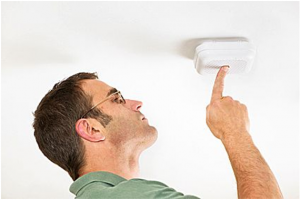
Keeping your home and family safe from fire is something that everyone should be aware of, but many people don’t know the best way to go about it. Whether it’s alert systems such as smoke detectors or sprinkler systems from Automist installers in Bristol, there are many things to consider.

Existing Property

Existing domestic property is exempt from much fire safety legislation. A smoke detector is the main thing most people choose to fit – indeed, they’re usually installed in new houses. This will give you an early warning of a fire and give you time to escape. Do make sure you test it occasionally, though, and change the battery when needed. Even mains-powered systems generally have a back-up battery to guard against power cuts.

Give some thought to how you would escape from the property in the event of a fire, and keep internal doors closed at night. You should also take care not to place objects close to heaters and open fires.

Many fires start in the kitchen, and a useful precaution is to have a fire blanket. This can be used to safely smother pan fires. An extinguisher is another option, but for kitchen, fires make sure it’s not a water-based type.

If you’re adding an extension, converting the attic or doing other work, it will need to conform to the latest Building Regulations

Landlords and Letting

If you’re letting out your property, then you are responsible for the fire safety of your tenants. This means carrying out a risk assessment, identifying any hazards and removing or protecting against those risks.

In older houses, you should have the wiring checked by an electrician and give consideration to removing any flammable older décor, such as polystyrene tiles. Make sure smoke detectors are fitted; this will mean having linked mains-powered detectors covering the main escape routes. You might also want to give consideration to a mist type sprinkler system such as those supplied by Mainpoint Automist installers in Bristol.

Multiple-occupancy properties – such as student accommodation – will need extra measures such as a heat detector in the kitchen and emergency lighting in communal areas and escape routes. There will also need to be signs indicating escape routes and any fire-fighting equipment such as extinguishers and fire blankets.

Read Full Article

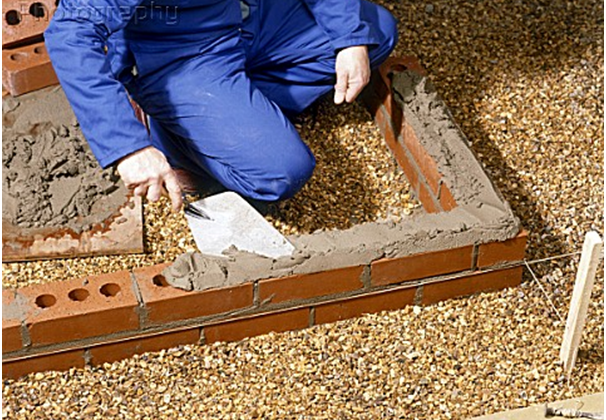
The latest construction headlines hitting the UK say it all: there is a brick shortage coming. For those with brick projects under construction and brick products not yet secured, this means a steep rise in costs. For many companies and individuals in London the gap between supply and demand simply means the viability of their projects, and even home improvements, are severely at risk.

What is the solution?

Many people are throwing around the idea of importing. This is a possibility, but it doesn’t solve the cost issue. Alternatively, by importing the skills needed via an immigrant workforce, the bricks could be made in the UK. This is more practical, but the question that needs to be asked is why not consider a different material?

For many people, there is no alternative. Bricks are the fabric of Britain and the capital. Anyone riding on a bus through London can see this. Bricks are our heritage and history, they are practical, hard-wearing, beautiful and durable. Buildings constructed out of brick last for centuries.

New cutting-edge research

All this could be about to change. With sustainable design and construction playing a huge part in many projects, from city hospitals to manufacturing facilities to private residences, sooner or later a solution will arise. British universities and architects in London are already pushing forward in the research, development, and use of alternative materials. Fantastic products such as self-healing concrete, 3D printed ceramic brick units, vacuum glazing, smog-absorbing concrete, algae walls, and engineered timber frames are taking off. It is a process that once started will not stop, but when will it start?

Every year we are becoming bolder and braver with our product choice, which is showing in the quality and look of our homes and offices. The brick will always be a fantastically strong and stable product; however, as with a stone, there may come a time when it is no longer commercially or environmentally viable. Let’s prepare for the future and not get too hung up on the past.

Read Full Article